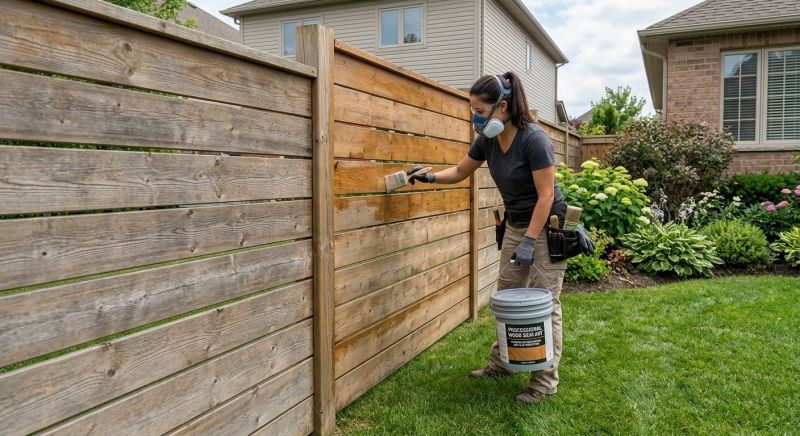
Cedar Fence Sealing in Kitsap County, WA
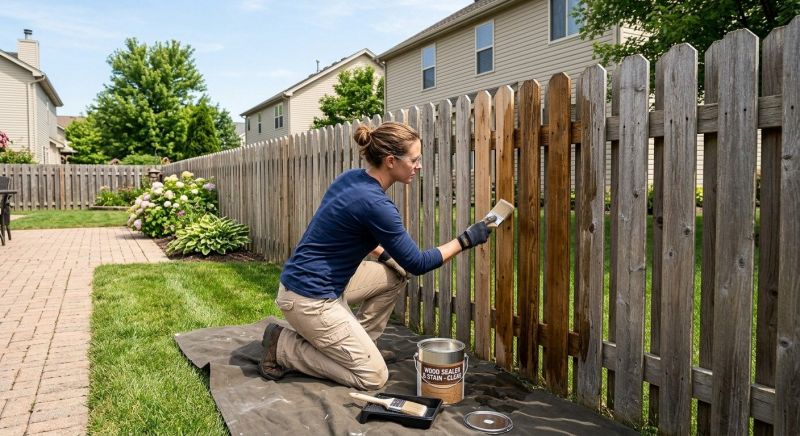
Cedar fence sealing services involve applying protective treatments to cedar fences to help preserve their appearance and structural integrity. This process typically includes cleaning the fence surface and then applying a sealant designed to guard against moisture, UV damage, and other environmental factors. Projects can range from small residential yards to larger property boundaries, ensuring that the cedar remains durable and visually appealing over time.
Homeowners interested in cedar fence sealing usually want to understand how the service can extend the lifespan of their fence, improve its resistance to weathering, and maintain its natural look. It’s important to consider the condition of the existing fence, the type of sealant used, and the recommended frequency of reapplication to keep the fence protected. Contacting a professional can provide guidance on the best sealing options suited to specific property conditions and aesthetic preferences.
Many property owners in Kitsap County, WA look into Cedar Fence Sealing for repairs, replacements, upgrades, and appearance-related improvements.
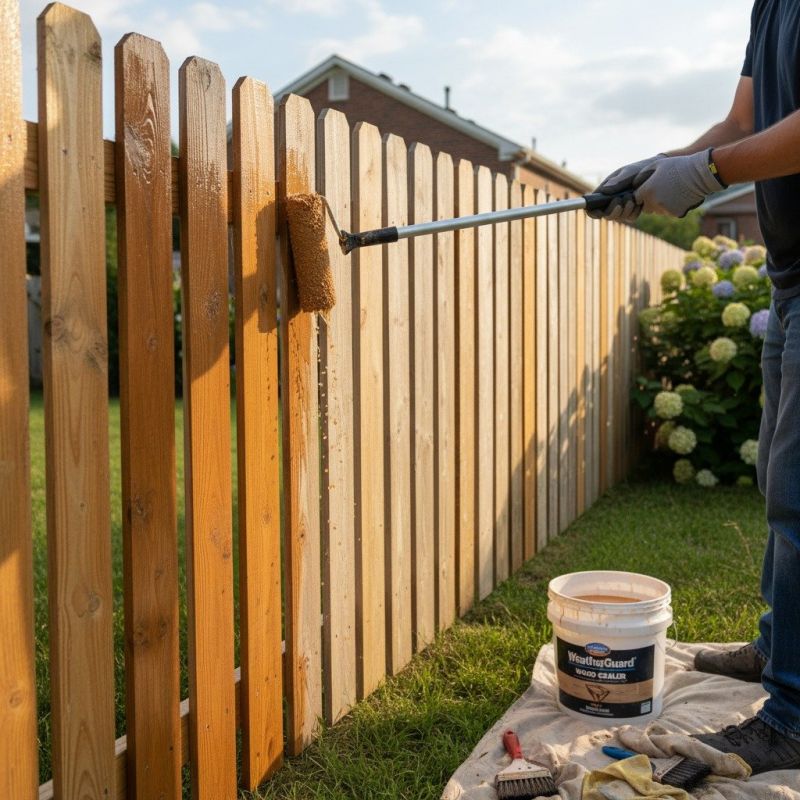
Protecting Cedar Fences
Sealing helps guard cedar fences against moisture, rot, and sun damage in kitsap county.
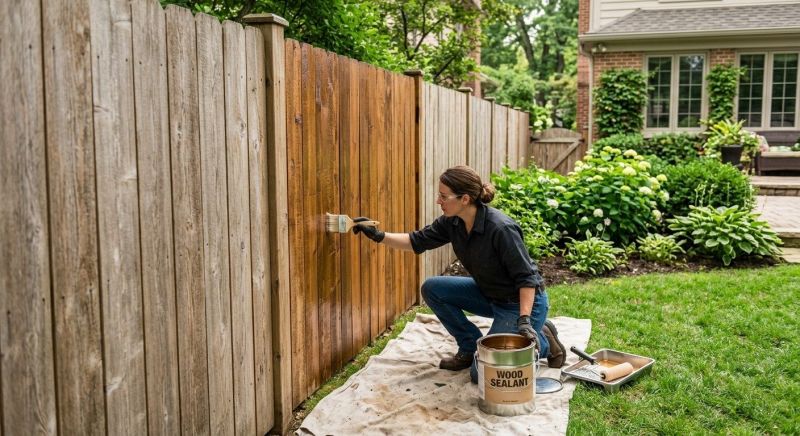
Enhancing Fence Durability
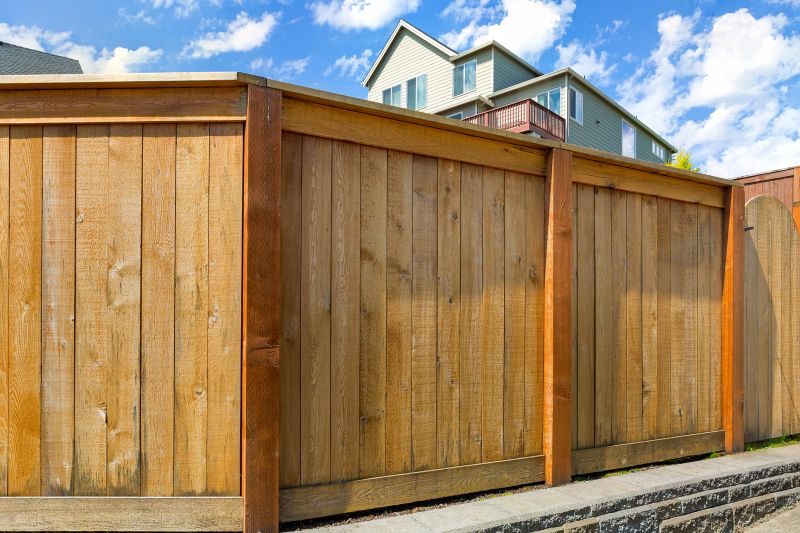
Proper sealing extends the lifespan of cedar fences and maintains their appearance over time.
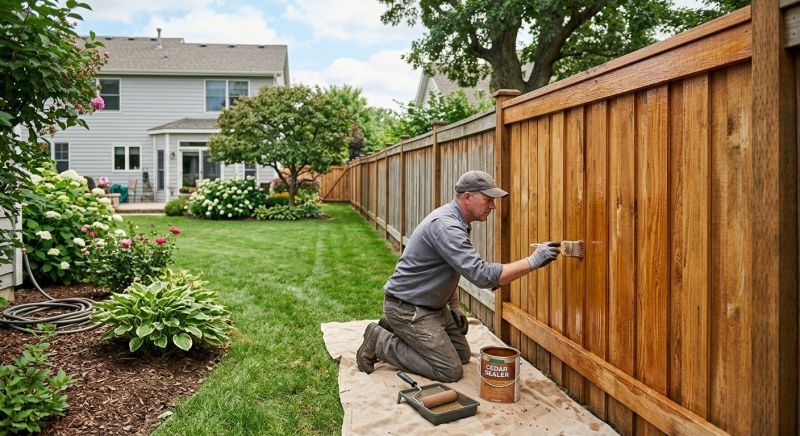
Maintaining Curb Appeal
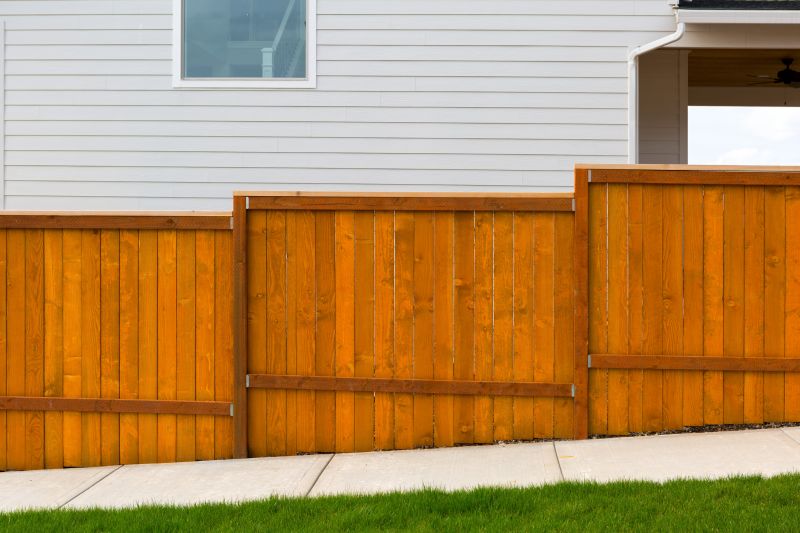
Sealed cedar fences look fresh and vibrant, boosting the overall look of residential properties in the area.
Cedar Fence Sealing in Kitsap County, WA

Cedar fence sealing services involve applying protective treatments to cedar fences to help preserve their appearance and structural integrity. This process typically includes cleaning the fence surface and then applying a sealant designed to guard against moisture, UV damage, and other environmental factors. Projects can range from small residential yards to larger property boundaries, ensuring that the cedar remains durable and visually appealing over time.
Homeowners interested in cedar fence sealing usually want to understand how the service can extend the lifespan of their fence, improve its resistance to weathering, and maintain its natural look. It’s important to consider the condition of the existing fence, the type of sealant used, and the recommended frequency of reapplication to keep the fence protected. Contacting a professional can provide guidance on the best sealing options suited to specific property conditions and aesthetic preferences.
Many property owners in Kitsap County, WA look into Cedar Fence Sealing for repairs, replacements, upgrades, and appearance-related improvements.
Common Cedar Fence Sealing Jobs
Cedar Fence Sealing Services - Protects cedar fences from moisture and weather damage to extend their lifespan.
Waterproofing Treatments - Helps prevent wood rot, warping, and cracking caused by rain and humidity.
Surface Preparation - Involves cleaning and sanding to ensure proper adhesion of the sealant.
Stain and Seal Options - Enhances the natural appearance of cedar while providing a durable barrier.
Maintenance Coatings - Offers ongoing protection to keep fences looking fresh and in good condition.
Weather-Resistant Finishes - Shields fences from the effects of rain, snow, and UV rays to maintain their integrity.
Cedar Fence Sealing Questions
What is cedar fence sealing? Cedar fence sealing involves applying a protective coating to enhance the wood's durability and appearance, helping to prevent weather damage and decay.
When should a cedar fence be sealed? Sealing is typically recommended after the fence has been installed and the wood has fully dried, usually within a few months.
What are the benefits of sealing a cedar fence? Sealing helps preserve the wood’s natural color, reduces weathering, and extends the lifespan of the fence.
How often should a cedar fence be resealed? Reapplication is generally advised every 2 to 3 years to maintain protection and appearance.
Request Cedar Fence Sealing in Kitsap County, WA
Use the quote form on this page to share the basics of your project and request more information for the type of work you need.