
Fence Sealing in Seattle, WA
Fence sealing services involve applying protective treatments to existing fences to help prevent damage from moisture, UV rays, and other environmental factors. This service is commonly requested for wood, vinyl, or composite fences that homeowners want to preserve and extend the lifespan of. Projects can range from sealing new fences shortly after installation to maintaining older fences that show signs of wear, ensuring they remain durable and visually appealing over time. Property owners often want to understand the type of sealant used, how often sealing should be performed, and whether the process can help improve the fence’s resistance to weather-related deterioration.
Before requesting fence sealing, property owners typically consider the material of their fence, the current condition, and their long-term maintenance goals. It’s important to know if the fence needs cleaning or repairs prior to sealing, as well as any specific product recommendations suited for the fence’s material. Proper sealing can also enhance the appearance by providing a uniform finish, but understanding the expected results and maintenance requirements can help homeowners plan ongoing care for their fencing investment.
Many property owners in Seattle, WA look into Fence Sealing for repairs, replacements, upgrades, and appearance-related improvements.
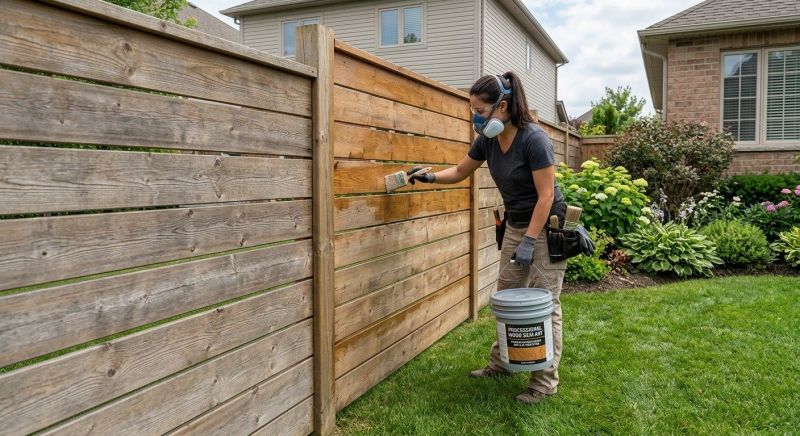
Protecting Your Fence
Sealing helps prevent weather damage and extends the lifespan of your fence in seattle's climate.
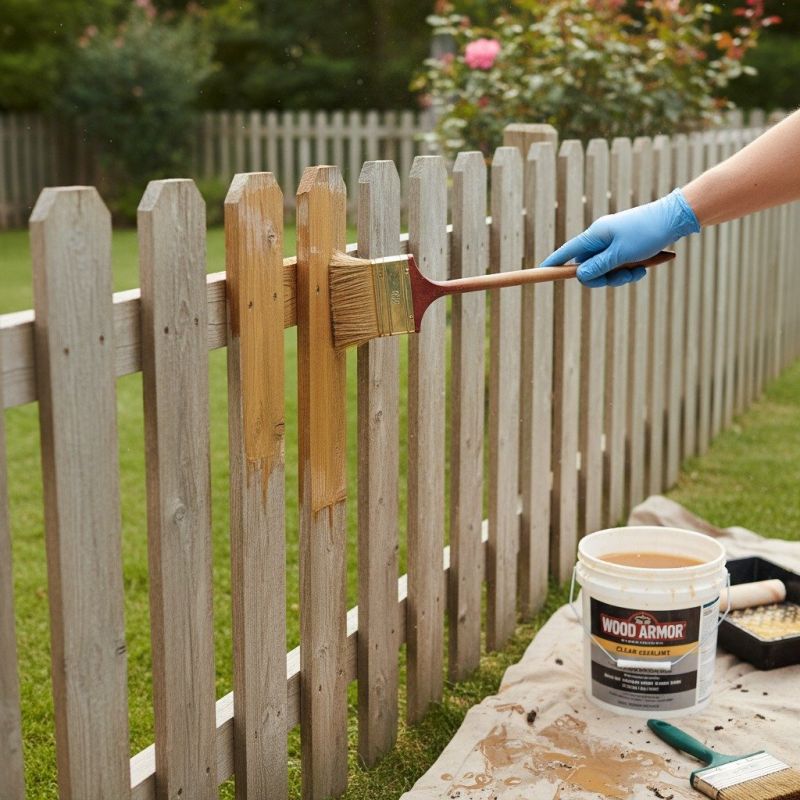
Enhancing Fence Appearance
A well-sealed fence maintains its color and appearance, reducing the need for frequent repairs.
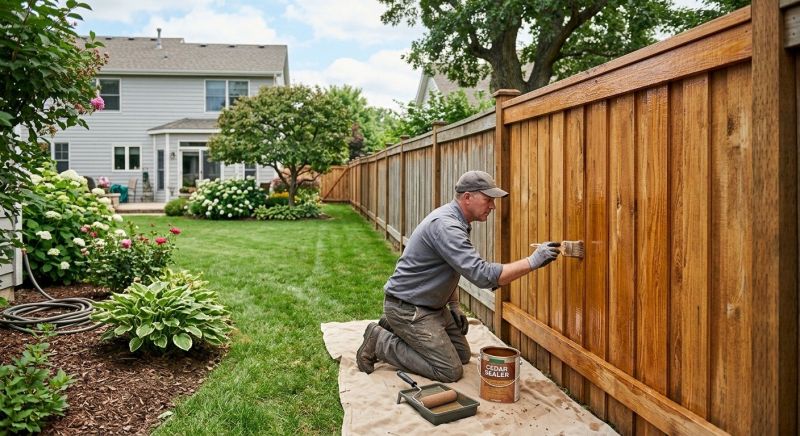
Maintaining Property Value
Proper fence sealing contributes to the overall curb appeal and durability of residential and commercial properties.
Fence Sealing in Seattle, WA

Fence sealing services involve applying protective treatments to existing fences to help prevent damage from moisture, UV rays, and other environmental factors. This service is commonly requested for wood, vinyl, or composite fences that homeowners want to preserve and extend the lifespan of. Projects can range from sealing new fences shortly after installation to maintaining older fences that show signs of wear, ensuring they remain durable and visually appealing over time. Property owners often want to understand the type of sealant used, how often sealing should be performed, and whether the process can help improve the fence’s resistance to weather-related deterioration.
Before requesting fence sealing, property owners typically consider the material of their fence, the current condition, and their long-term maintenance goals. It’s important to know if the fence needs cleaning or repairs prior to sealing, as well as any specific product recommendations suited for the fence’s material. Proper sealing can also enhance the appearance by providing a uniform finish, but understanding the expected results and maintenance requirements can help homeowners plan ongoing care for their fencing investment.
Many property owners in Seattle, WA look into Fence Sealing for repairs, replacements, upgrades, and appearance-related improvements.
Common Fence Sealing Jobs
Fence sealing helps protect wood and other materials from moisture damage and decay.
Wood fences can benefit from sealing to prevent warping, cracking, and insect infiltration.
Chain-link fences may be sealed to reduce rust and extend the lifespan of metal components.
Privacy fences often require sealing after installation to maintain appearance and durability.
Fence repairs can include sealing to prevent further deterioration and improve longevity.
Sealing services are recommended for fences exposed to harsh weather conditions to preserve their condition.
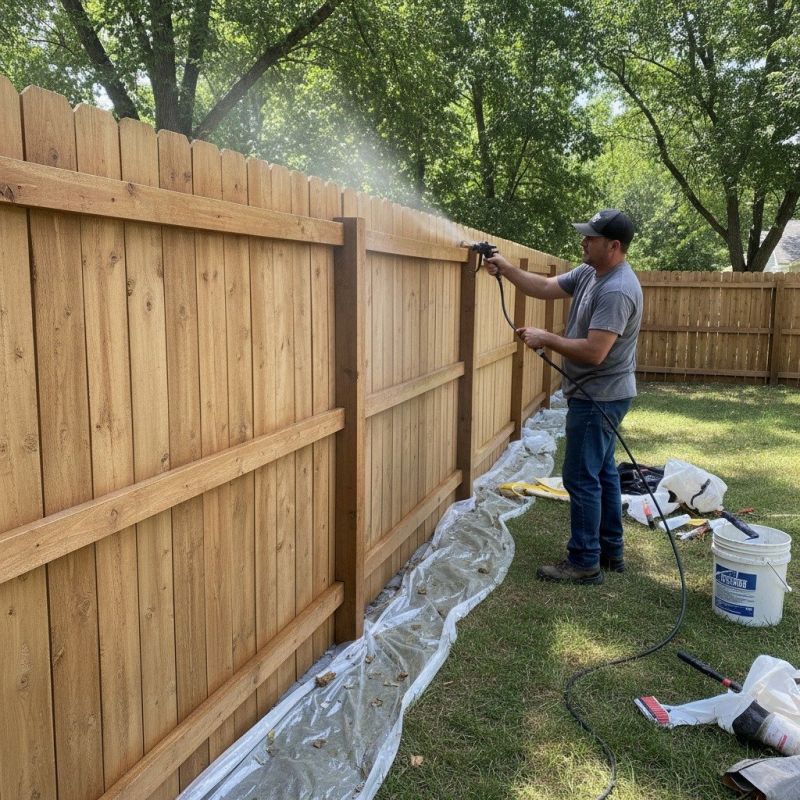
Fence Sealing Questions
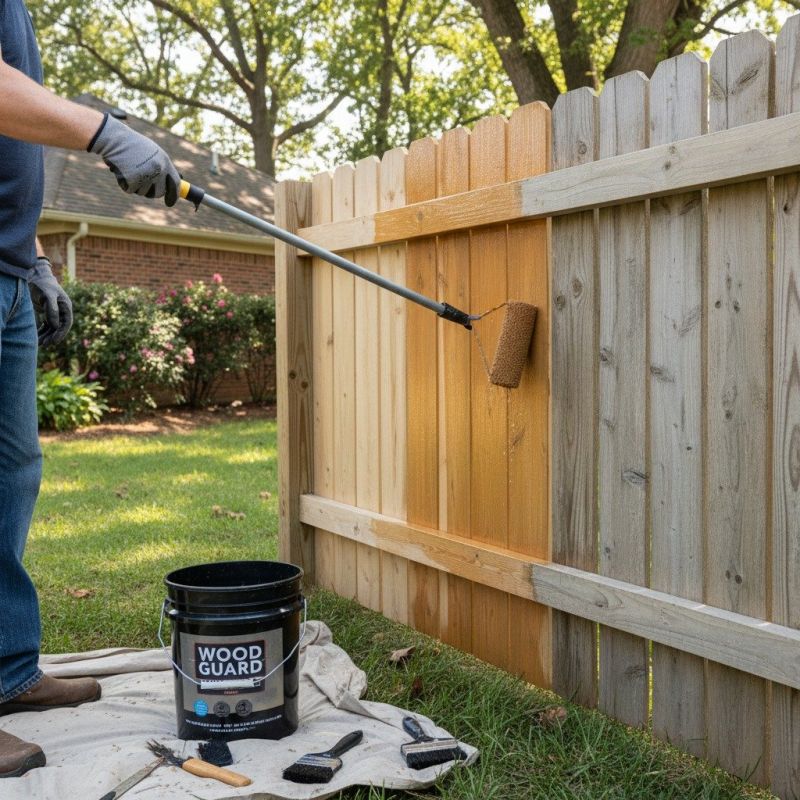
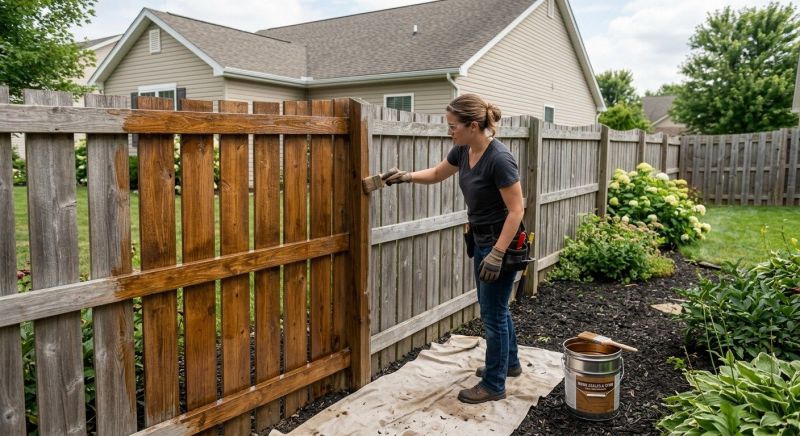
What is fence sealing? Fence sealing involves applying a protective coating to help prevent damage from moisture, UV rays, and other environmental factors, extending the life of the fence.
Which types of fences benefit from sealing? Wood, cedar, and other porous fences are common candidates for sealing to maintain their appearance and durability.
How often should a fence be sealed? Typically, fences should be resealed every 1 to 3 years, depending on weather exposure and the type of sealant used.
What are the advantages of sealing a fence? Sealing can improve the fence’s resistance to rot, mold, and fading, helping to keep it looking good longer and reducing maintenance needs.
Request Fence Sealing in Seattle, WA
Use the quote form on this page to share the basics of your project and request more information for the type of work you need.